



By Dr. Brian D. Sheppard, Pastor • Park View Baptist Church, North Little Rock
Executive Editor’s Note: Dr. Sheppard holds a Doctor of Clinical Christian Counseling and serves as the host of the “Doc Talks” podcast, which can be found on all major podcast platforms. He has agreed to write a regular column to help raise awareness and provide practical assistance for mental health to our readers.
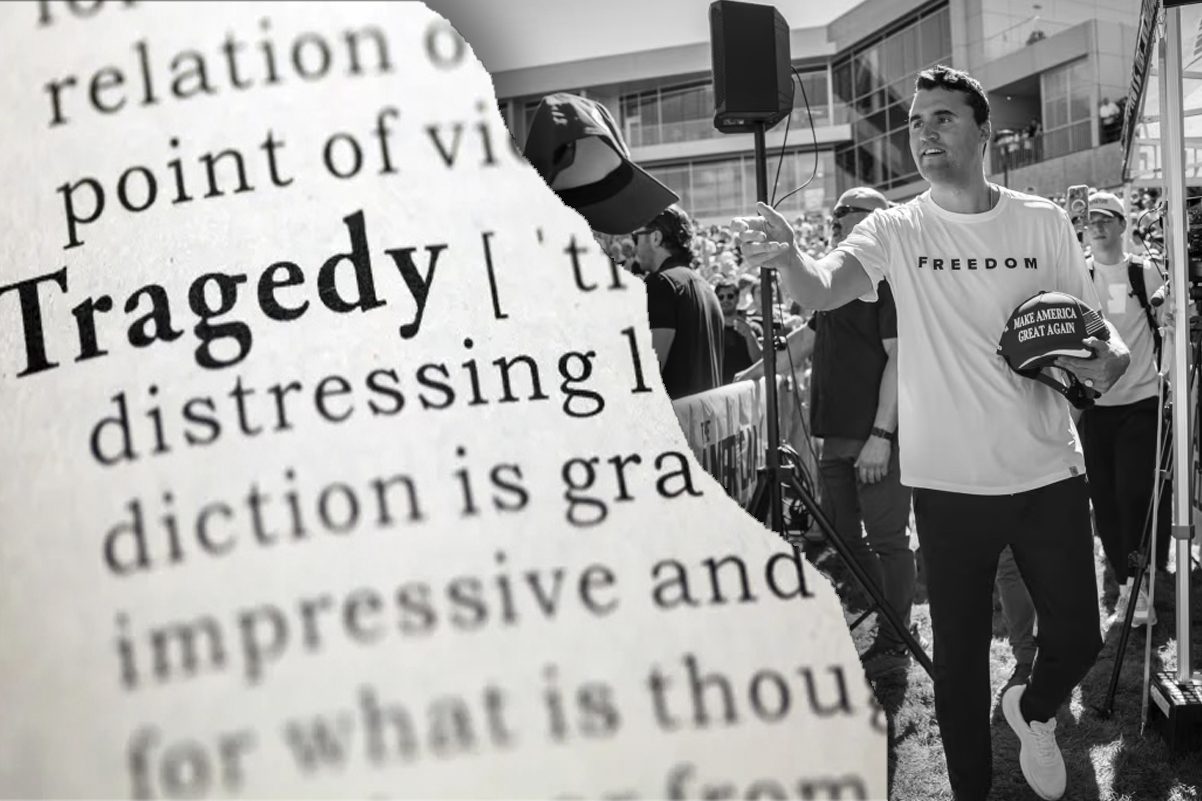
This past week, our nation has been shaken by the tragic assassination of Charlie Kirk and multiple school shootings. The shock of violence is grievous enough, but perhaps even more disturbing to many Christians is the chilling realization that some people, even those close to us, expressed gladness that it happened. Families grieve, communities are shaken and hearts are left asking questions that echo through the ages. As a mental health advocate, and more importantly as a follower of Jesus Christ, I return again and again to the truth of God’s Word when trying to make sense of tragedy.
Evil is real, and it cuts deep. The Bible tells us plainly — “This know also, that in the last days perilous times shall come” (II Tim. 3:1). Evil is not new, but in our age, it seems increasingly celebrated. When violence strikes down a life, especially one so outspoken for truth and conviction, we are reminded again that “the thief cometh not, but for to steal, and to kill, and to destroy” (John 10:10).
If you did not see the firsthand account of the gruesome assassination, count yourself blessed. You were never created to watch someone’s last breath and then scroll to a TikTok or Reel as if nothing ever happened. You weren’t designed for that kind of fragmentation. Your soul was made in the image of God, built to carry meaning, connection and grief in ways that honor life and reflect eternity. When we try to hold unbearable weight in one moment and numb ourselves in the next, it leaves a fracture deep within. This isn’t just about technology. This is trauma. This is soul-injury.
From a mental health perspective, trauma occurs not only from the act of violence itself, but from the betrayal of trust and morality when others approve of it. To see neighbors, colleagues or even family members take satisfaction in death deepens the wound of grief. Pretending such evil does not exist is dangerous, but neither should we allow it to consume us.
So, this begs the question: how do we respond to this evil? Paul’s command is clear: “Be not overcome by evil, but overcome evil with good” (Rom. 12:21). The temptation of the human heart is to answer hate with hate, to return anger for anger. But if we do so, we lose the very Christlike witness that the world so desperately needs.
Jesus Himself taught, “Love your enemies, bless them that curse you, do good to them that hate you, and pray for them which despitefully use you, and persecute you” (Matt. 5:44). To the wounded heart, this feels impossible. But it is in this radical love that the power of Christ is revealed.
Practically, this means channeling our pain into prayer, service and truth-telling. It means acknowledging the hurt and processing the trauma, but refusing to let bitterness or hatred consume us. Psychologically, responding with compassion instead of retaliation protects the soul. Bitterness poisons from within, while forgiveness releases us to heal. This does not excuse evil — it disarms it.
We ask, “Why do bad things happen to good people?” Few questions weigh heavier on the human soul. Job himself cried out, “Why died I not from the womb?” (Job 3:11). Even the Psalmist wondered why the wicked seemed to prosper while the righteous suffered (Psalm 73).
The reality is this: we live in a broken world. Sin entered in at the fall, and since that moment, creation has groaned under the curse (Rom. 8:22). Bad things happen to good people not because God is unjust, but because this world is not as it should be.
Yet, suffering is never wasted in the hands of God. Joseph told his brothers, “But as for you, ye thought evil against me; but God meant it unto good” (Gen. 50:20). For the Christian, trials are not the end of the story. They are the soil in which faith grows, and God’s glory is revealed. The death of Charlie Kirk has emboldened people of all ages to speak truth to a dark world, even when they refuse to listen. As Christians, truth and grace are our battle call, our commission, our truth.
Perhaps the deepest pain of all comes when friends or loved ones mock righteousness or cheer wickedness. Proverbs 17:5 reminds us, “Whoso mocketh the poor reproacheth his Maker: and he that is glad at calamities shall not be unpunished.”
If you are experiencing this heartbreak, remember: you cannot control another person’s heart, but you can guard your own. Grieve honestly before the Lord, but also pray fervently for those whose laughter at evil reveals a soul far from God. What feels like betrayal may be an opportunity to intercede.
Hope is not found in political promises or cultural optimism. True hope is anchored in Christ alone. Jesus said, “In the world ye shall have tribulation: but be of good cheer; I have overcome the world” (John 16:33).
From a mental health perspective, hope is essential for survival. People can endure almost any pain if they know there is meaning and a future beyond it. For the believer, hope is not wishful thinking it is a confident expectation. “Which hope we have as an anchor of the soul, both sure and stedfast…” (Heb. 6:19).
Even in darkness, God’s presence shines. “The light shineth in darkness; and the darkness comprehended it not” (John 1:5). Our hope is not that evil will disappear tomorrow, but that one day Christ will make all things new, wiping away every tear (Rev. 21:4).
The assassination of Charlie Kirk is a sobering reminder that evil is both real and celebrated in our world. We are overstimulated by constant images yet undernourished in the true human connection. Our spirits grow calloused, not because we don’t care, but because we cannot hold the flood of pain without Christ’s healing presence.
We are becoming people who see everything but feel nothing. This should move us to tears and back to the one who heals the brokenhearted and binds up their wounds (Psalm 147:3).
As Christians, we are called to respond in a different way. We face evil honestly, but we do not return it. We lament when others rejoice in sin, but we continue to pray for their souls. And above all, we rest in the unshakable hope that Christ has already overcome.
As the Psalmist declared: “God is our refuge and strength, a very present help in trouble. Therefore, will not we fear…” (Psalm 46:1–2).
So let us grieve honestly, pray fervently and cling tightly to the promises of God. For though the world is filled with evil, our Savior is greater still. In these last days, let us pray the last words of Scripture: “…Come, Lord Jesus. The grace of the Lord Jesus be with God’s people. Amen” (Rev. 22:20-21 NIV).
