



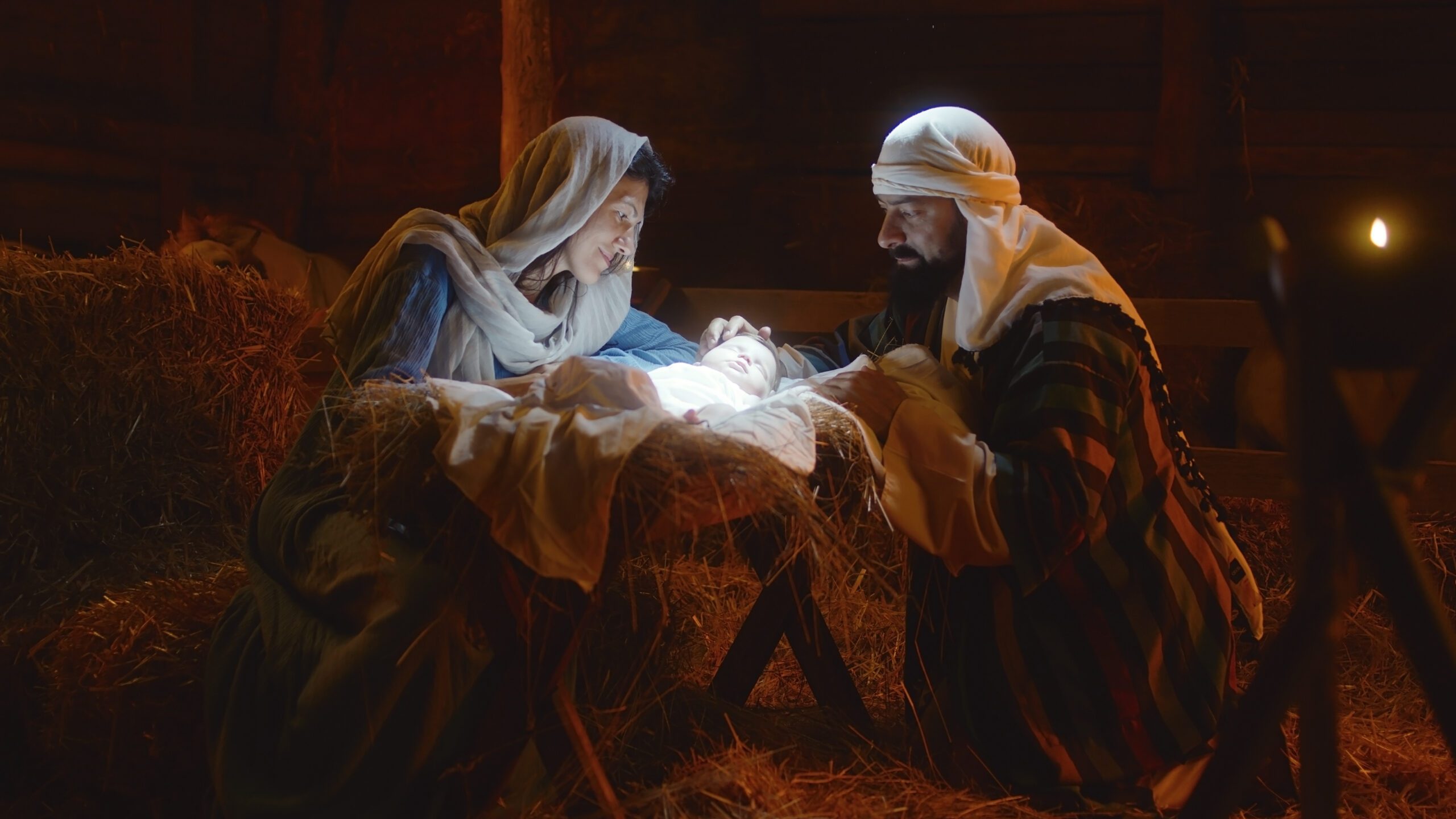
Christmas is a season of wonder when families gather to direct their hearts toward the hope of Christ. While we look forward to the return of our Savior, we also pause and ask, “Do we understand what it means that God became flesh?” The incarnation models how God’s people are called to live out the Great Commission.
We teach our children that God dwelt among humanity. Nevertheless, I think there’s room to take the implications of God’s most astounding work a step further as a guide for every Christian, every ministry and every church.
The Word Became Flesh — and Dwelt Among Us
John opens his gospel memorably with “the Word was made flesh, and dwelt among us, (and we beheld his glory, the glory as the only begotten of the Father,) full of grace and truth” (John 1:14). The verb “dwelt” literally means “tabernacled” or “pitched a tent.”
The marvel of Christmas is that Jesus did not appear in the distance. He moved into our neighborhood, touched our lives and shared in our suffering. He entered an ordinary, messy, inconvenient life while being fully God and fully man.
Is this the way the churches conduct ministry today? The mindset of many people I see laboring earnestly to reach their communities is that they need to perfect a program that will draw people in. That’s not how Jesus did ministry. He allowed His presence to become the ministry. We should, too. We need to live among those we are called to serve, learn their stories, share their burdens and offer them grace in tangible ways.
Dwelling with the Marginalized, the Overlooked and the Hurting
When we look at the Christmas story, the marvel of the Most High coming low to lie in a manger baffles me. Even the herald angels announced Christ’s birth to the ordinary, humble, often overlooked men working night shifts in the fields.
Christian, there are people around you who feel unnoticed, who struggle in silence, who bear burdens too heavy to carry alone. Are you living among them? Are you accepting their distance? Taking the incarnation seriously means noticing the people the world overlooks. You must step out of your comfort zone and clean schedules to be present in the lives of the marginalized.
Practical Incarnation
We have an opportunity to practice the incarnation as believers today. We can “pitch our tents” among people to share the hope that is in us. This is what evangelism looks like. This is what discipleship looks like. This is what the ministry of Jesus Christ looks like in believers today. Here are a few ways to begin:
• Be visible and available. Turn over a leaf in the coming year to prioritize presence. Make time to visit a neighbor, a single parent, or an elderly widow(er). Share a meal, listen well, and offer encouragement. Ministry happens when we are with people.
• Embrace messiness. Like the stable in Bethlehem, real ministry isn’t tidy. Allow yourself to show up in the lives of people dealing with conflict, sickness and loss. Offer help, prayer and friendship even when it is uncomfortable.
• Make room for interruption. Jesus’ ministry was filled with interruptions that became meaningful encounters. Don’t rush past people. Allow space in your schedule for God to direct and redirect your day.
• Share the story of God’s grace. When Jesus dwelt among us, He revealed the glory of God through acts of compassion and truth. In the same way, your presence should be paired with gospel witness.
A Church Shaped by the Incarnation
I believe the ministry Christ has called us to is really very simple. Much simpler than we tend to make it. Christmas is a reminder of that. If we truly embraced incarnational ministry, we would see transformation taking place both in the lives of congregations and in the communities they serve.
Members would move from “attending services” to “living out the gospel.” The church calendar would reflect relationships more than events. The gospel would become tangible everywhere as Christ’s love is embodied in His people.
The incarnation challenges us to rethink the rhythms of our lives. It calls us to action, to presence and to humility. Following Christ means entering the lives of others, often in unnoticed ways, so that we can reveal His glory through our care.
An Invitation for this Season
This Christmas, consider how your church can live incarnationally. Begin where you are, with what you have, and with those around you.
Embrace the incarnation as your pattern. Allow ministry to stop being something that you “do” from a distance. Embody a lifestyle of relational, sacrificial, attentive, and redemptive presence.
What would it look like if we took the Word becoming flesh seriously — not just at Christmas, but all year long?
