



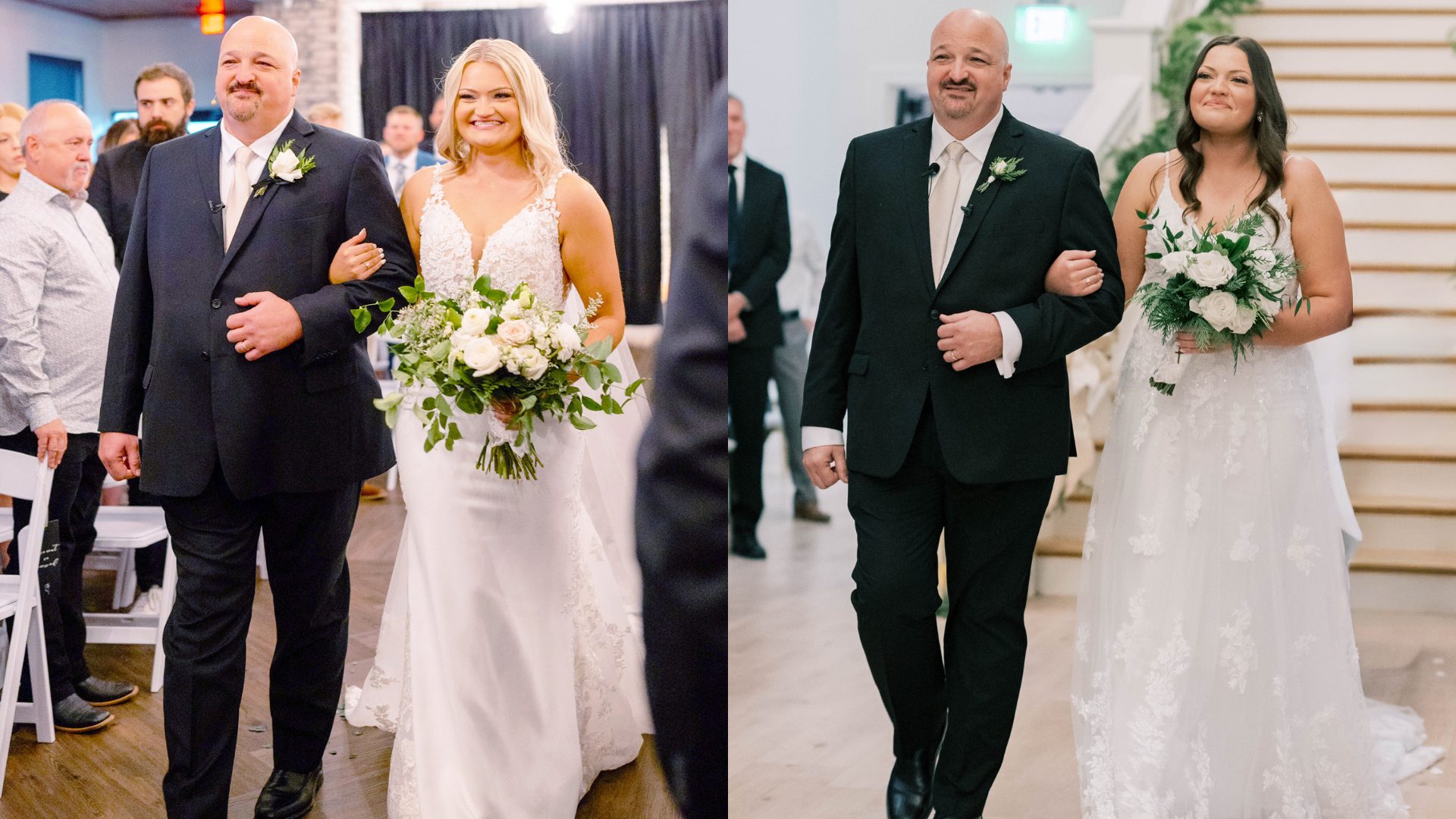

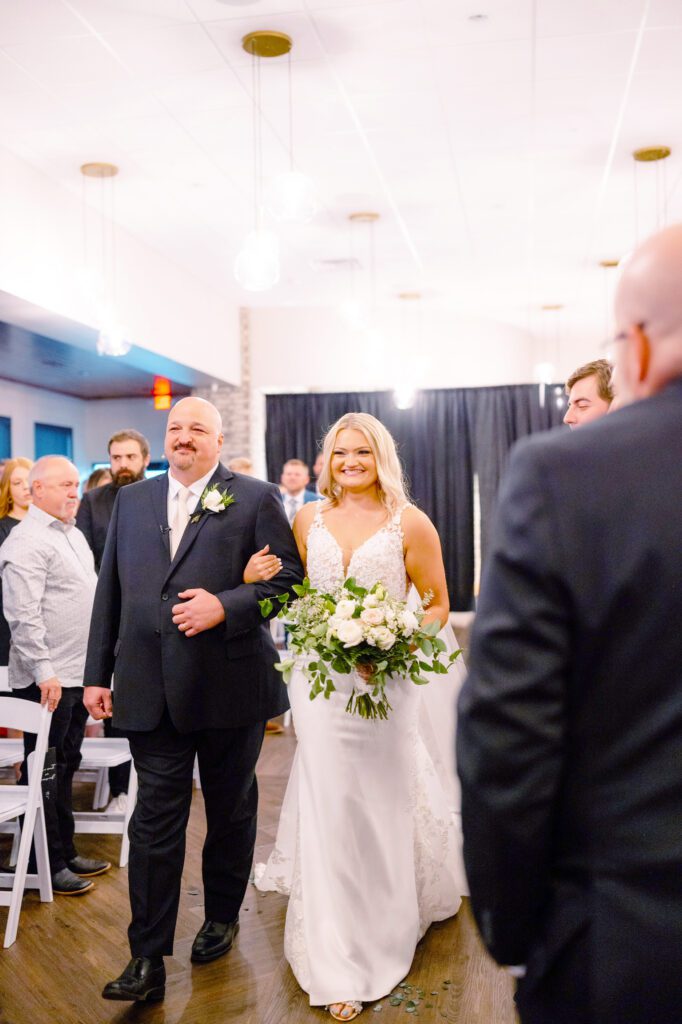
Two of the most significant days of my life came quietly, as I stood at the end of an aisle, waiting for the music to begin. They were the days I walked my daughters toward the lives God had prepared for them.
On November 18, 2023, I walked my daughter Abigail toward Matthew. On December 12, 2025, I did the same for Autumn as she walked toward Kane. Like most fathers, I felt the weight of those moments — gratitude, humility, and the realization that something permanent was taking place. I was not simply escorting my daughters forward; I was entrusting them to the men with whom they would now form a home.
That trust was not given casually. It was shaped by prayer, conversation, and the confidence that both Matthew and Kane understood the seriousness of the covenant they were about to enter. In those moments, I was acknowledging a God-designed transition. My role as father had been formative, but the responsibility of spiritual leadership within a new household now belonged to their husbands. From the beginning, God designed the family as His first institution, a place where faith is lived out daily and the gospel is put on display in ordinary, faithful ways.
Over the years, I have attended dozens of weddings and officiated quite a few. Each one is meaningful in its own way. Yet walking beside my own daughters brought a deeper awareness of something I had long understood, but now felt with fresh clarity: the aisle itself carries meaning far beyond tradition.
In my study of Scripture over the years, I’ve always been amazed by Genesis 15, where God establishes His covenant with Abram through a ritual that would have been unmistakable in the ancient world. Abram is instructed to bring specific animals, cut them in half, and arrange the pieces opposite one another, forming a path — an aisle — between them. The Hebrew word for covenant, berit, literally means “to cut.” In that culture, covenants were ratified by walking between those pieces, declaring in effect, “If I break this covenant, may what happened to these animals happen to me.”
What follows is both sobering and hope-filled. Abram is put into a deep sleep. Instead of Abram walking the aisle, God alone passes between the pieces, represented by a smoking firepot and a burning torch. God binds Himself to the covenant, assuming full responsibility for its fulfillment. The promise rests not on Abram’s faithfulness, but on God’s.
That moment points forward to the gospel. Humanity would fail to keep covenant with God, yet God would remain faithful. In Christ, God bore the penalty Himself. Jesus’ body was broken and His blood shed, fulfilling what was foreshadowed in that ancient covenant. Salvation is graciously provided through Christ’s sacrifice and received by those who repent and believe.
This truth reshapes how we understand marriage.
The wedding aisle is not merely a functional feature or a sentimental moment. It is a visible reminder that covenant precedes ceremony. When a bride walks down the aisle, she is stepping into a lifelong covenant designed by God. Marriage is not sustained by emotion alone, nor is it a contract built on performance. It is a covenant meant to reflect the faithfulness, patience, and grace of a covenant-keeping God.
That does not minimize the complexity of real marriages or the pain caused by real sin. Covenant faithfulness does not ignore betrayal, excuse unrepentance, or deny the need for truth and accountability. Instead, it calls husbands and wives to take their vows seriously, to pursue faithfulness, repentance, forgiveness, and restoration — where possible — and to live under the authority of God’s Word rather than personal preference. The covenant relationship does not eliminate hard moments; it gives them meaning and direction.
Standing beside my daughters, I was keenly aware that my role in those moments was important but limited. I could offer blessing and affirmation. I could publicly express trust. But the covenant they entered would be lived out day by day, sustained not by my wisdom or presence, but by their shared commitment before God.
That same covenant-shaped faithfulness is meant to shape every part of a believer’s life. The homes we form and the promises we keep become daily opportunities to live out the gospel, reflecting grace, practicing humility, and demonstrating perseverance. In much the same way, the congregations we gather with week after week are built on commitment, not convenience. Faithfulness matters because covenant matters.
Weddings are beautiful, but they are brief. The music fades, the aisle clears, and life begins in earnest. What remains is the covenant relationship.
As I reminded both of my daughters and their husbands on their wedding day, nothing is easier than saying words and making promises, and nothing is harder than living them day by day. What is promised in a moment must be lived out tomorrow — and all the tomorrows that follow thereafter. That is where the covenant relationship proves its worth, and where the faithfulness of God is most clearly displayed through the lives of His people.
