



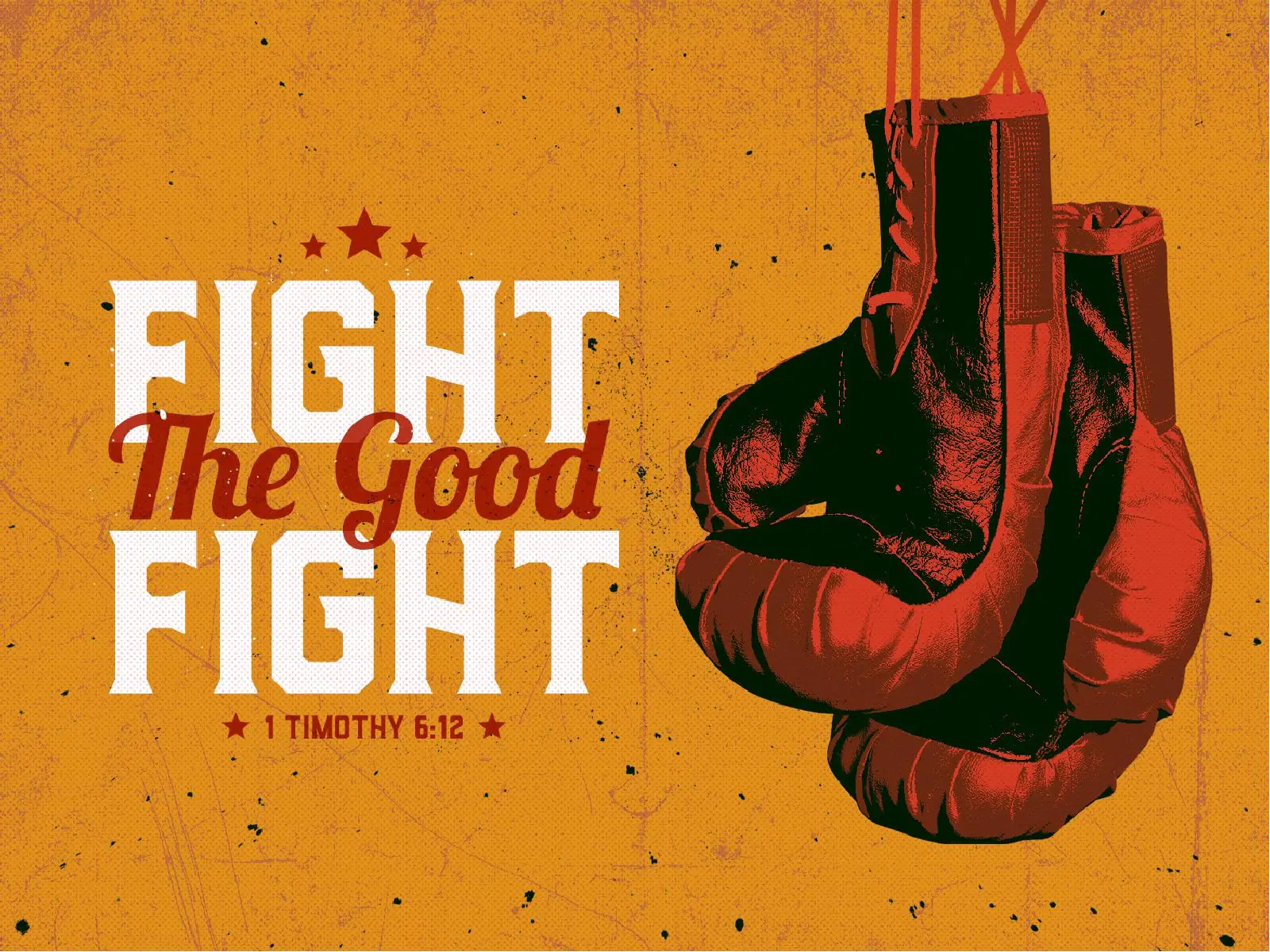
In January 1970, Merle Haggard released “The Fightin’ Side of Me,” and the song spent three weeks atop the country music charts. America was in a war (armed conflict was the legal term) in Vietnam, and the country was as divided as it has ever been. Our battle was much bigger than the Communist Party — we had a culture war raging at home. Haggard struck a chord in the heart of traditional American values with this closing line: “When you’re running down our country, hoss, you’re walking on the fighting side of me.”
Most folks by 1970 were sick of war, but they were even more fed up with young hippies pushing a drug and sex revolution. Criticizing our free country and the men who died to keep it free was clearly grounds for many to fight over.
When the “Hag” sang of a “fightin’ side,” he left us the implication that there must also be a friendly side to him as well. As long as we avoid these touchy subjects, we can stay on the friendly side of each other.
We all have a fighting side — an issue or situation that cannot be crossed if you value your safety. The sanctity of our home should be a fighting side — if you break into my home and pose a threat to my family, I’ll shoot you. Slap a man’s mother or his wife, and you are sure to see his fighting side. Oh, these are extremes, but I’m only making the case that we should have some lines that can’t be crossed.
Churches ought to have a fighting side to them, a line that is best not crossed. One of the dangerous trends in modern evangelicalism is the absence of convictions. Many professing Christian groups are akin to cheap vanilla ice cream — super sweet without much flavor. Like salt that has lost its savor, they ain’t good for much. In an effort to be accommodating to everyone, they have ended up being neither hot nor cold. I won’t belabor this point, but this brand of Christianity is not biblically compatible. Every true church should have some absolutes that they will readily stand and fight for.
Let us also be wary of the ditch on the other side of the ecclesiastical road. Over here, the fighting side is about 90-95% of the church’s territory. They only have a little sliver of peaceful ground barely big enough to hold their ministerial clones. This camp is made up of card-carrying “Fighting Fundamentalists.” You don’t even have to agree on what the fundamentals are, as long as you love to fight about it. They will fight you over holidays, haircuts, hymnals, and a hundred other things. It’s easier to define them by what they are against than what they are for.
It is easy to slide off into either of the ditches along our pilgrim pathway. Honestly, I have been towed out of both of these ditches more than I want to admit. I grow weary of fighting every evangelical boogeyman and lay my guns down. Eventually, my peace is broken by old heresy in new clothes, and I’m roused again into battle. Too much time on the front lines and I can become spiritually paranoid, taking sound shots at everything that could be the enemy. Lord, help us when we get like this!
As dangerous as the road is, there is yet another fighting side I see among the Lord’s churches. These battle lines are drawn within the local church itself. The fighting side could be two pews back or just across the aisle. These are factions within a church, and although you may not know the issues they are fighting over, you can feel the tension as you sit for worship on their battleground.
Infighting has destroyed more churches in the Bible Belt South than anything else I know of. Some churches are known in the community as fighting churches. The issue here is usually not what they are fighting for; it is that they are fighting. Christ said it best in Mark 3:25: “And if a house be divided against itself, that house cannot stand.”
No church or individual Christian should go around looking for a fight. Neither should we be characterized as fighters who are always brawling about something. We should seek peace whenever it is possible. Our churches should be peaceful assemblies free of strife and discord. But we do have an adversary, the accuser of the brethren who seeks to do us harm. Settle it in your mind now — you will have to take up arms at some point to fight.
With these facts in mind, let us strive to have a heart strong enough for war and tender enough for devotion. Consider young Samuel learning from the lackadaisical priesthood of Eli. As an old man, he moved with vengeance, hacking Agag to pieces after King Saul’s disobedience. His heart still mourned Israel’s folly, and he longed for them to have a king with a heart for God.
The answer to Samuel’s prayer was but a lad keeping sheep. David soon proved himself a man of war, cutting off the giant’s head in hand-to-hand combat. Any reader of the 23rd Psalm will not doubt the tender heart of its writer. The “sweet psalmist of Israel” was also a “man of war,” and so should we be.
“Father, give us balance in our spiritual lives. We pray for peace in our homes and churches, but we also acknowledge that true and lasting peace only awaits us in the world to come. When conflicts arise and we face battles, give us swift victories followed by grateful, humbled hearts. While we have a much needed fightin’ side, never let that become the defining trait of our ministry here on earth. Let us be known as faithful, not fighting people. Amen.”
